
Life simulation games have become one of the most addictive categories on Android, and for good reason. Whether you’re looking to build a thriving city, manage a virtual restaurant, or nurture relationships in a digital world, life sims offer a unique blend of strategy, creativity, and endless progression. Unlike action-packed shooters or fast-paced racers, these games reward patience, planning, and long-term engagement, perfect for casual sessions during your commute or deep dives on weekends. This guide breaks down the best life simulation games currently available on Android, what makes them tick, and how to find the one that matches your playstyle.
Key Takeaways
- Life simulation games on Android reward patience and long-term engagement through progression systems and open-ended gameplay, making them ideal for both quick commute sessions and deep weekend dives.
- Top-tier life simulation games like Stardew Valley, SimCity BuildIt, Clash of Clans, and Animal Crossing: Pocket Camp span multiple categories including city builders, farming sims, and business managers, each offering unique mechanics and themes.
- Choose your life simulation game based on preferred gameplay style (active vs. passive), device performance requirements, monetization model (free-to-play vs. paid), and social features to ensure the best fit for your playstyle.
- Avoid pay-to-win frustration by selecting games where premium currency is cosmetic-only, prioritizing transparent progression systems and checking community reviews for monetization complaints.
- Download life simulation games exclusively from Google Play Store or official manufacturer stores like Galaxy Store to minimize malware risks and ensure legitimate, updated versions with proper support.
What Are Life Simulation Games?
Life simulation games are sandbox-style experiences where you control aspects of a character’s, business’s, or community’s daily existence. Unlike narrative-driven games with defined endpoints, life sims focus on open-ended progression, you set your own goals, build your own story, and watch systems evolve based on your decisions.
These games typically feature time progression, resource management, and feedback loops that reward consistent engagement. You might start by managing a single virtual life and expand to running an entire city, or begin with one farm and grow it into an agricultural empire. The appeal lies in seeing tangible results from your actions: plant crops, wait for them to grow, harvest them, and use profits to expand, it’s deeply satisfying.
On mobile specifically, life sims have thrived because they’re built for interrupted play sessions. You can check in for 10 minutes or sink two hours: the games accommodate both playstyles through energy systems, asynchronous gameplay, and cloud saves that let you pick up where you left off across devices.
Top Life Simulation Games You Should Play Right Now
The Android ecosystem is packed with excellent life sims, but quality varies wildly. Here are the standouts across different subcategories.
City Building & Management Sims
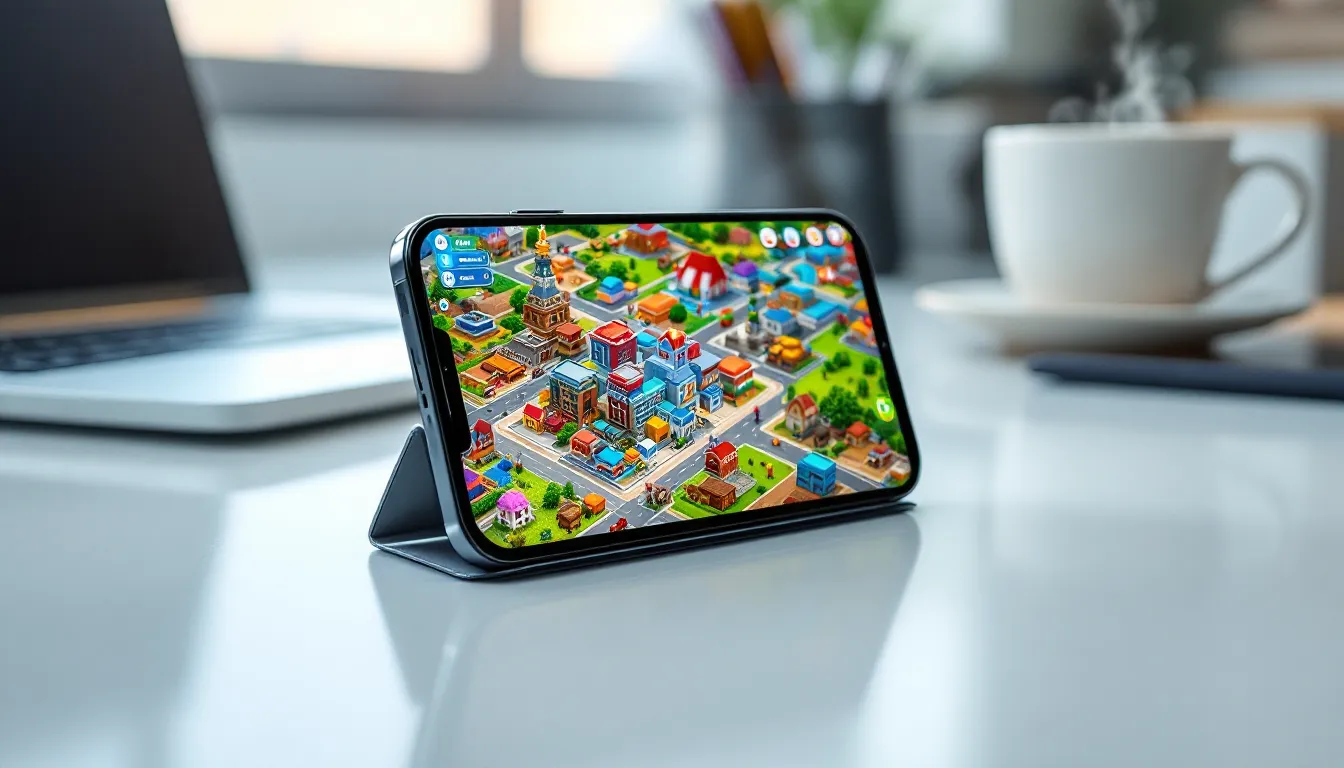
SimCity BuildIt remains the gold standard for city builders on mobile. You design neighborhoods, manage traffic flow, and balance budgets, all while watching your metropolis grow from a small town into a bustling metropolis. The game runs smoothly on mid-range devices and includes regular event updates that keep the meta fresh.
Clash of Clans isn’t purely a city builder, but its village management system heavily leans into life sim mechanics. You construct buildings, train troops, and defend against raids, creating a compelling loop of upgrades and progression that’s kept millions engaged since its 2012 launch.
Two Point Hospital (and its sequel, available on Android via subscription services) offers a deeper, more humorous take on management sims. You build hospitals, hire staff, and treat ridiculous fictional illnesses. It’s more strategy-heavy than most mobile sims and appeals to players who want meatier gameplay.
Casual Life & Relationship Builders
Stardew Valley stands as the definitive rural life sim. Farm, fish, mine, cook, romance villagers, and experience a full year cycle on your phone or tablet. At $15 USD (one-time purchase, no ads or energy systems), it’s priced like a console game but delivers hundreds of hours of content. The Switch and PC versions have seen countless updates since 2016: the mobile port includes feature parity.
Animal Crossing: Pocket Camp brings Nintendo’s beloved formula to Android (and iOS). Customize your campsite, befriend animal villagers, and complete furniture-crafting tasks. The free-to-play model is forgiving compared to other mobile sims, and it’s ideal for players who want cozy vibes without heavy monetization pressure.
Hay Day is a farming sim that balances productivity with relaxation. You grow crops, raise animals, and fulfill customer orders, but there’s no energy timer forcing you to stop after 10 minutes. This design choice alone makes it stand out, as progression feels natural rather than gated.
Business & Career-Focused Sims
Restaurant Dash (and countless restaurant management clones) puts you in charge of a food establishment. Take orders, cook meals, serve customers, and manage finances. The tapping-based gameplay is simple but satisfying, and progression unlocks new recipes and locations.
Diner Dash follows a similar formula but adds time-management elements, you’re physically moving between tables and stations, creating faster-paced action than pure management games. It’s great if you want business sim mechanics with active input.
Bit City blends idle game mechanics with city building. You tap buildings to generate revenue, invest profits into expansions, and watch your city grow automatically. It’s lower commitment than traditional builders but still scratches that progression itch.
Fantasy & Adventure Life Sims
The Sims FreePlay is the mobile version of The Sims franchise. Create characters, build homes, pursue careers, and develop relationships in an open-ended suburban setting. The energy system can be restrictive, but the core fantasy, living out fictional lives with total creative control, remains intact.
Fantasy Life (available on Switch and mobile) combines life sim mechanics with RPG elements. You choose a class (hunter, paladin, wizard, cook, etc.), level up, and complete class-specific quests while managing a virtual life. It’s lighter on story than traditional RPGs but heavier on progression than casual sims.
Islanders simplifies city building into turn-based tile placement. You strategically place buildings on an island, get points for adjacent structures, and unlock new islands as you progress. It’s meditative and plays like a puzzle game crossed with a builder, incredibly soothing.
How To Choose The Right Life Simulation Game For You
With hundreds of life sims available, finding the right fit is about understanding your preferences and constraints.
Consider Your Preferred Gameplay Style
Ask yourself: Do you want passive progression or active engagement? Idle games like Bit City and Clicker Heroes reward logging in daily but don’t demand constant interaction. Active management sims like Two Point Hospital need real-time decision-making. Casual builders like Stardew Valley sit in the middle, you engage on your schedule without rigid energy timers.
Second, consider theme preference. City builders appeal to strategists. Farming sims attract players who enjoy rural aesthetics and relationship building. Business sims work for competitive types who want to optimize systems. Fantasy life sims blend narratives with sandbox mechanics.
Third, think about social elements. Want to raid friends’ bases (Clash of Clans) or trade items cooperatively (Hay Day)? Or prefer solo experiences where you’re not compared to other players’ progression?
Check Device Requirements & Performance
Life sims vary wildly in performance demands. Stardew Valley and Animal Crossing: Pocket Camp run on budget Android devices (4GB RAM, Snapdragon 665 or equivalent). SimCity BuildIt is optimized well but stutters on older phones with large cities. Two Point Hospital requires more robust hardware (6GB+ RAM recommended).
Before downloading, check your device specs: RAM (how much memory the game uses), processor (older chips struggle with resource-heavy sims), and storage (some games demand 2-3GB after installation). Most app stores list minimum requirements: be honest about whether your device meets them.
Also consider internet dependency. Most modern life sims require constant online connection for cloud saves, multiplayer features, and verification, but a few games (Stardew Valley, original Clash of Clans) work offline or with minimal connectivity needs.
Evaluate Monetization & Playstyle Impact
Monetization models deeply affect how games feel to play. Free-to-play with cosmetics (Animal Crossing: Pocket Camp) doesn’t lock progression behind paywalls. Free-to-play with energy systems (SimCity BuildIt, The Sims FreePlay) throttle your playtime, you can play 15-20 minutes, then wait 4+ hours for energy regeneration or pay premium currency to bypass timers.
The question: Does the monetization enhance your experience or create artificial friction? Some players don’t mind energy timers: it gives them permission to step away. Others find timers frustrating. Sites covering mobile gaming guides like Pocket Tactics extensively review monetization impact and help you assess whether a game’s business model aligns with your tolerance.
Paid games (Stardew Valley at $15, Two Point Hospital at $9.99) eliminate monetization concerns entirely. You pay once, own the game, and never see premium currency pressure. This appeals to players fatigued by free-to-play mechanics.
Finally, consider time investment. Casual sims let you progress 30 minutes daily without falling behind. Hardcore builders reward obsessive optimization and daily logins. Choose based on how much daily time you realistically dedicate to gaming.
What Makes A Great Life Simulation Game?
Not all life sims are created equal. The classics that retain millions of active players share common traits.
Engaging Progression Systems
Great life sims show you the next goal immediately after completing the current one. Plant crops, harvest them, use profits to build a new structure, unlock new crop types, each loop is short enough to feel rewarding but long enough to feel significant.
Progression should never feel random (RNG-heavy). If you’re grinding for a specific item, there should be a clear path forward: play 10 matches to earn 100 coins, spend coins on loot boxes with a published drop rate, and incrementally edge toward your goal. Game8 and similar sites publish tier lists and progression guides that reveal whether a game’s systems are transparent or opaque.
Also critical: vertical and horizontal progression. Vertical means getting stronger (better tools, higher levels). Horizontal means getting more varied (new crops, different professions). Games with both prevent the early-game “what’s the point” feeling.
Immersive World Building
The best life sims let you express creativity and personality. Stardew Valley gives you a farm plot and total customization freedom, organize it but you want, no “correct” way to play. SimCity BuildIt offers zoning options, theme customization, and event-based aesthetic choices.
Narrative depth matters too. Games that give NPCs meaningful dialogue, storylines, and personality (like Animal Crossing or Stardew Valley) create emotional investment. You care about completing tasks because you’re doing them for characters you like, not abstract numbers.
Visual clarity also counts. Can you glance at your farm and understand at a glance what needs attention? Or is the UI cluttered and confusing? Successful sims prioritize readable interfaces that let you manage complexity without cognitive overload.
Community & Social Features
Multiplayer elements keep life sims relevant long-term. Clash of Clans’ clan system created guilds-like communities that persist for years. Hay Day’s cooperative trading and cart features encourage interaction without forced PvP.
But “social” doesn’t mean mandatory. Solo players should never feel punished for playing offline or avoiding multiplayer. The best social systems are opt-in: join a guild if you want, trade with friends if you’re interested, but solo progression remains viable and rewarding.
Common Challenges In Mobile Life Sims & How To Overcome Them
Life sims on Android introduce friction that console or PC versions don’t always have. Understanding these pitfalls helps you pick games that minimize frustration.
Managing Timers & Energy Systems
Energy systems are designed to monetize patience, run out of energy, wait 4+ hours, or pay premium currency to refresh. On the surface, this seems reasonable (prevents people from no-lifing the game in one weekend). In practice, energy gates can kill momentum.
Workaround: Play games with generous energy regeneration rates. Hay Day regenerates energy roughly every 5-10 minutes: you can play indefinitely with small breaks. SimCity BuildIt doesn’t use traditional energy but has construction timers (building takes 8 hours without paying). Two Point Hospital forgoes energy entirely, progress is pure skill and strategy.
Alternatively, embrace energy as a feature. View it as permission to step away, play another game, or do something else. Some players genuinely prefer paced progression over grinding for 4 hours straight.
Avoiding Pay-To-Win Frustration
Pay-to-win (P2W) isn’t always obvious. A game might not lock content behind paywalls, but premium currency holders progress 5-10x faster, making free players feel like they’re on a treadmill.
Red flags: Premium currency tied directly to progression (paying accelerates YOUR progress, not just cosmetics). Gacha mechanics with terrible odds (“1% chance to get the weapon you want”). Limited-time events that demand constant play or spending to complete.
Way forward: Prioritize games where premium currency is optional. Stardew Valley removes this concern entirely by being paid. Animal Crossing: Pocket Camp is explicitly designed to respect free players, you don’t fall behind by not spending. Clash of Clans’s progression is slow but not P2W: two clans of similar levels fight evenly regardless of spending.
Before committing to a new life sim, check recent reviews on Game Rant (which covers monetization practices) and community subreddits. If hundreds of posts complain about P2W mechanics, that’s a signal to play something else.
Free Vs. Premium Life Simulation Games On Android
The pricing model shapes how you’ll experience a game. Neither is inherently better: it depends on your budget and tolerance for monetization.
Free-to-Play Games dominate Android because they hit the largest audience. SimCity BuildIt, The Sims FreePlay, and Clash of Clans are free to download and play indefinitely without spending. The catch: they monetize through energy systems, premium cosmetics, or battlepasses. Most are designed around the assumption that “whales” (players who spend hundreds) subsidize free players’ experience. If you’re disciplined enough to never spend, free-to-play is genuinely free. If you’re tempted by shortcut offers, costs add up.
Paid Games like Stardew Valley ($15), Two Point Hospital (~$10), and Islanders ($5) eliminate monetization entirely. You pay once, own the game forever, and never see ads or premium currency. This model appeals to players who value simplicity and hate feeling nickeled-and-dimed. The downside: higher upfront cost, and some players are uncomfortable spending $15 on mobile games compared to free alternatives.
Hybrid Models exist too. Some games offer free trials with limited content, then charge a one-time unlock for full access. This lets you test before committing.
Practical advice: If a life sim looks interesting but costs money, watch gameplay videos first. Paid games are rarely discounted on Google Play, so evaluate carefully. Free-to-play games are easier to trial, but budget realistically if you plan to engage long-term without spending.
Where To Download & Stay Safe
Android offers multiple app stores beyond Google Play, each with different safety standards and game libraries.
Google Play Store is the primary platform. It’s the safest option for most users due to Google’s malware scanning, review systems, and refund policies. But, not all games appear in Google Play, some developers bypass it due to fees or region restrictions.
Galaxy Store (Samsung devices) and Huawei AppGallery (Huawei devices) are alternative official stores with smaller but curated game libraries. Games sold here undergo the same quality checks as Google Play.
Third-Party Stores like APKPure or APKMirror should be approached cautiously. While they host legitimate APK files, they’re not official channels. Risk is low if the developer is known, but downloading from unofficial sources can expose you to malware. Stick to official stores when possible.
Safety Tips:
- Check app developer reputation before downloading. Established studios (Supercell, Playrix, Nintendo) have decades of track records.
- Read recent reviews focusing on bugs, crashes, and monetization complaints. If a game has 100k reviews with 2-star average and complaints of sudden paywalls, avoid it.
- Enable Google Play Protect (automatic malware scanning) in Play Store settings.
- Don’t grant unnecessary permissions. A farming sim doesn’t need access to your contacts or calendar: question why it’s asking.
- Keep your device and apps updated. Security patches patch vulnerabilities that malware exploits.
Conclusion
Life simulation games on Android have matured into a rich, diverse category. Whether you’re drawn to the strategic depth of city builders, the cozy charm of farming sims, the fast-paced action of restaurant managers, or the creative expression of virtual life games, excellent options exist across price points and playstyles.
The key to finding your perfect match is matching the game’s design philosophy to your expectations. Do you prefer active engagement or idle progression? Are you comfortable with energy systems or do you want unlimited play? Will you spend money or seek fully free experiences? Once you answer these questions, the right game becomes obvious.
Start with the top-tier options mentioned here, Stardew Valley, SimCity BuildIt, Clash of Clans, Animal Crossing: Pocket Camp, and Hay Day, then branch out based on what resonates. The Android ecosystem is overflowing with hidden gems waiting to consume hundreds of your hours, one satisfying loop at a time.